The first haircut gets all the attention: the photos, the saved curl, the story. The haircuts after that are the ones that shape how your child feels about the barbershop for years. When families in Rock Hill keep those follow-up cuts on a simple rhythm, kids walk in calmer, sit easier, and leave faster. When the cuts slide until the hair is in the eyes and tangling at the neck, every visit becomes a rescue job, and kids learn to dread the chair. At Tite Cuts Barbershop LLC, the easiest kids' appointments are rarely the first ones. They are the fifth and sixth ones, with a familiar barber and a cut that never got a chance to fall apart.
Neglect here does not mean anything dramatic. It means small delays stacking up: two extra weeks here, a missed trim there, a home fix with kitchen scissors in between. Each delay adds time in the chair, more tugging on tangles, and more work around the ears and neckline where kids are most sensitive. The good news is that the fix is boring in the best way: a steady cadence, a practical cut, and a short routine at home.
What waiting actually does
Kids' hair grows at roughly the same pace as adult hair, but the tolerance for it is lower. Bangs reach the eyes, sides bulk out over the ears, and the back starts to curl or mat where a collar, a car seat, or a playground hood rubs it all day. By the time a cut is a month overdue, the barber has to remove much more, reshape areas that had settled, and spend longer on the fidget-prone parts at the end of the appointment. Longer appointments test attention. More tugging tests patience. A child who sat well for a tidy 15-minute maintenance cut may not sit well for a 30-minute overhaul, and then the next visit starts with that memory.
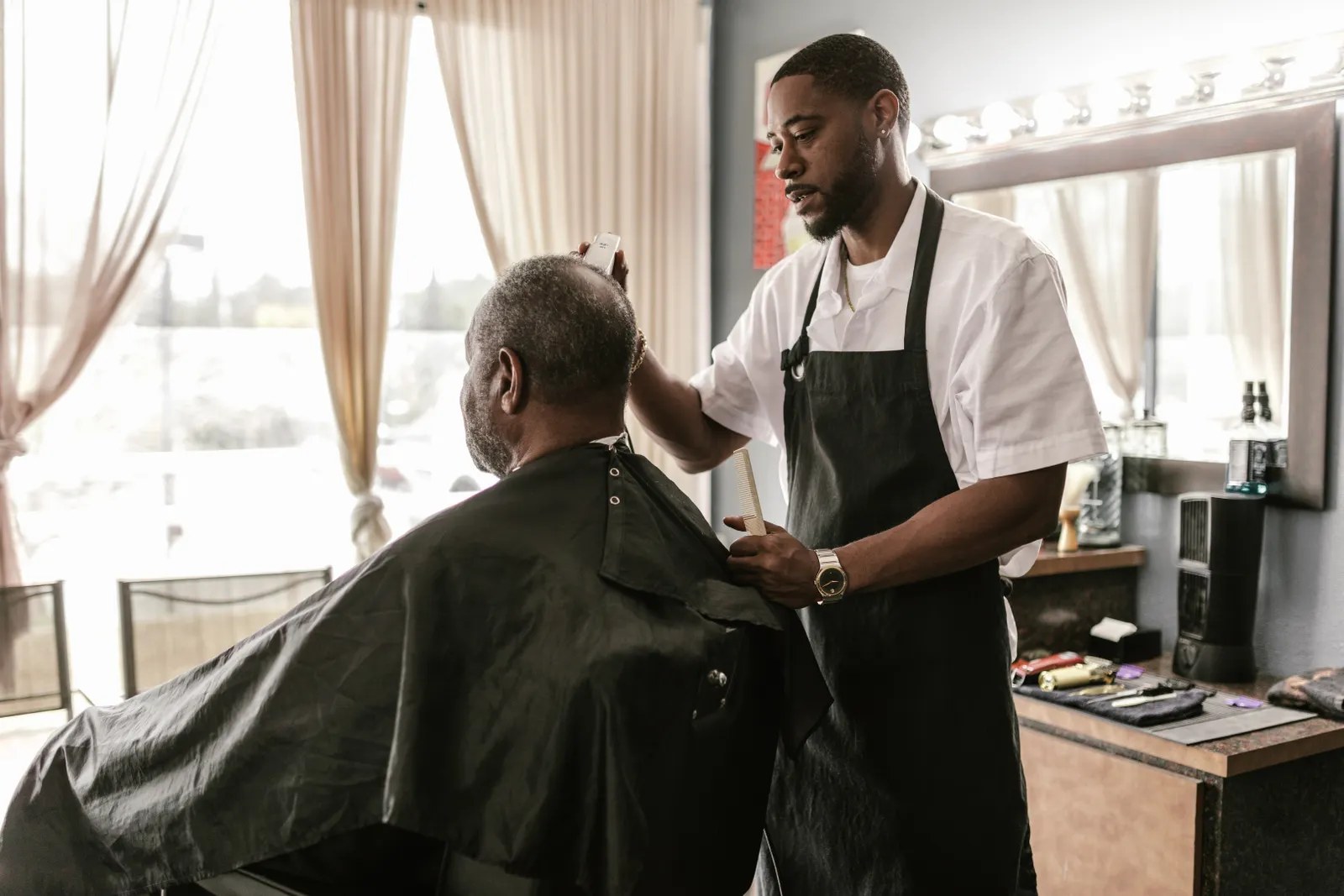
Same barber, same cues, less drama
Familiarity is a practical tool. A child who sees the same barber learns the order of events: cape, spray, clippers on the sides, scissors on top, brush-off at the end. Predictability lowers the stakes. The barber also learns the child: which side is ticklish, where the cowlick throws the part, how short the front can go before a parent asks for it back. Try to book the same chair when you can, keep the time of day consistent, and avoid squeezing a cut into the hour when your child is hungry or due for a nap. A short pep talk helps more than a long one. One sentence about what will happen, and one about what happens right after, beats a full briefing in the parking lot.
Cuts that survive the playground
Ask for durability on purpose. For active kids in Rock Hill, that usually means sides cleaned up enough to stay off the ears between visits, a top that looks fine with no product at all, and a neckline that grows out softly. Very sharp lines look great on day one and ragged by week three on a child who will not sit for home touch-ups. Texture that hides uneven growth is a parent's friend. So is honesty about home care. If mornings allow only a quick brush, say so, and let the barber choose a length that forgives it. Bring up hats, helmets, and swimming too. Summer pool days, bike helmets, and winter beanies all argue for a cut with some give in it rather than a precise style that collapses under the first hat.
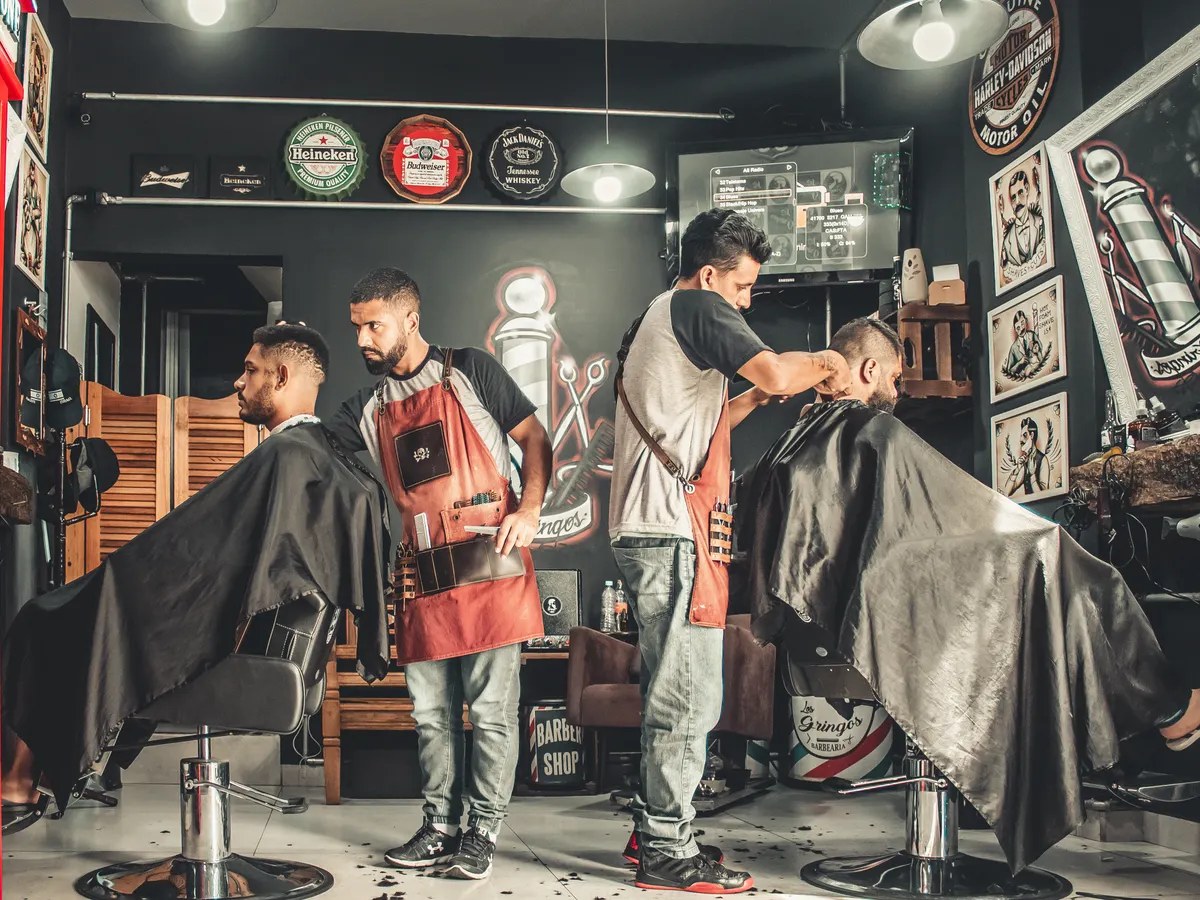
The small home routine between visits
Five minutes twice a week prevents most rescue cuts. Brush or comb gently after baths when the hair is damp, work out tangles from the ends upward, and check the three trouble spots: behind the ears, the neckline, and the front hairline. Wash as needed for your child's hair type and activity level, more in sweaty summer weeks, less in dry winter ones, and use a small amount of conditioner on longer hair to cut down on morning knots. Skip home clipper experiments unless you are confident. A crooked home fix takes longer to correct in the shop than the original trim would have taken, and kids remember the extra time. When the front starts touching eyebrows or the sides cover the tops of the ears, book the next visit instead of waiting for it to bother the child at school.
Common questions
How do I know it is time for the next cut?
Use visible cues instead of the calendar alone: hair in the eyes, sides over the ears, or a neckline that looks fuzzy. When two of the three show up, book within the week.
My child hates the clippers. What helps?
Ask about starting with scissors and introducing clippers briefly, keep visits short and regular, and stick with the same barber. Familiar sound plus familiar hands usually improves within a few visits.
Should kids use styling product?
Most young kids do not need it. If you use any for photos or events, keep it light, water-based, and washed out that night so it does not build up or irritate the scalp.
Photos in this guide are representative stock images.
← All guides from Tite Cuts Barbershop LLC← Back to Tite Cuts Barbershop LLC