Most disappointing haircuts are not bad cutting. They are bad translation. You had a picture in your head, the barber had a different picture in his, and neither of you found out until the cape came off. Clients at Tite Cuts Barbershop LLC in Rock Hill who change styles successfully tend to do one thing before the clippers start: they talk about the new look like a plan, not a wish, covering how it looks, how it grows, and how much work it asks for every morning.
Fall is a natural time to have that conversation in the Piedmont. Summer humidity is gone, so you can judge a style honestly, and you have months before pool season tests it again. Use the season. The checklist and guidance below will help you arrive with references that actually help, questions that actually matter, and a test-drive plan if you are not ready to commit all at once.
References that help, and references that mislead
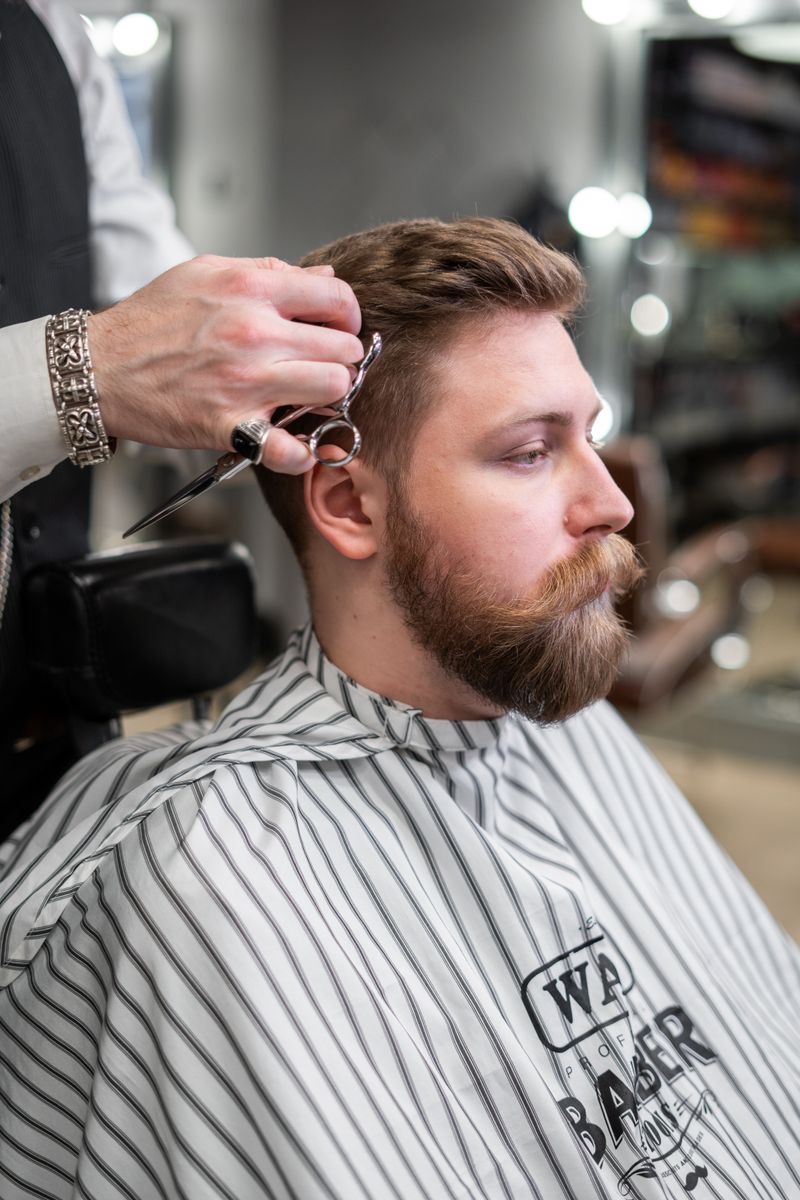
Bring two or three photos, not twenty. The best references show hair similar to yours in texture, thickness, and hairline. A style built on thick, straight hair will not sit the same way on fine or curly hair, and no product fully closes that gap. Photos of the same person from the side and back are worth more than a single front shot, because your barber cuts in three dimensions. Be ready to hear which parts of the photo are achievable and which parts are the model's natural hair doing the work. That honesty is the service. A barber who promises an exact copy of a different head of hair is guessing with your next six weeks.
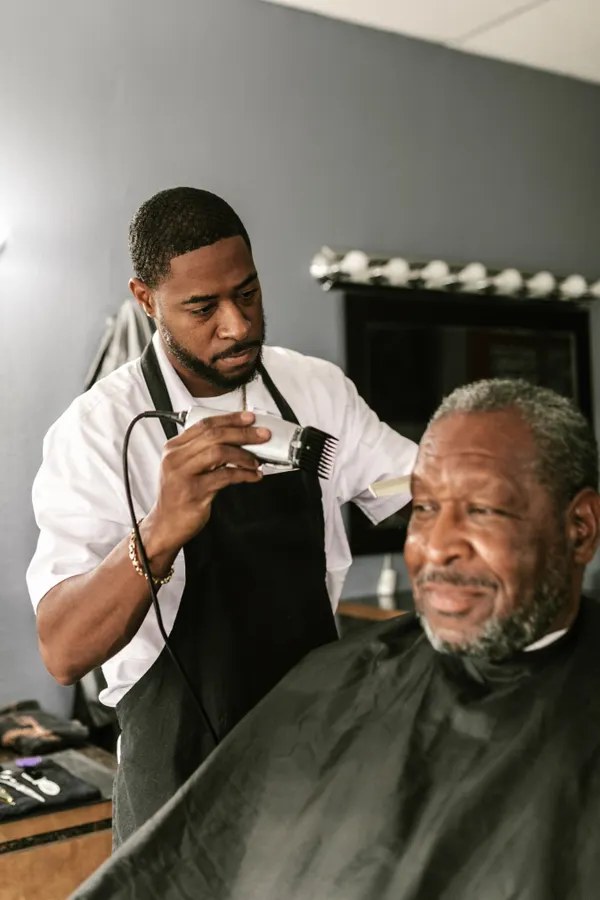
It also helps to bring a photo of your own hair on a good day and a bad day. That tells the barber more about your cowlicks, your growth patterns, and your styling habits than any celebrity photo. If you have a part that refuses to move, a crown that swirls, or a hairline that sits unevenly, point it out. Barbers notice these things quickly, but naming them starts the conversation at the right place: your hair, not the photo's hair.
The effort conversation nobody wants, and everybody needs
Ask this question out loud: how many minutes does this style take on an ordinary morning? Some cuts look effortless because the wearer spends ten minutes with a dryer and product. If your real routine is wash, towel, and out the door, say so. A skilled barber can steer the same general idea toward a lower-effort version, shorter here, more texture there, that you will actually maintain. Be equally honest about products. If you will not use a pomade, a clay, or heat, the cut has to stand on its own shape. Plenty of strong styles do. The mismatch to avoid is a high-maintenance cut paired with a zero-maintenance owner, because by week two the style looks like a mistake instead of a choice.
Before you ask for the change
- Save 2 to 3 reference photos on hair with texture and thickness close to yours
- Decide your honest daily styling time in minutes, and say it out loud in the chair
- List the products and tools you will actually use, and the ones you will not
- Note your constraints: job dress code, hats or helmets, sports, and how often you can return for upkeep
- Ask how the new cut grows out at weeks two, four, and six, and what the exit plan is if you dislike it
- Agree on one feature to keep from your current cut so the change feels like yours, not a costume
Test-driving a new look
You do not have to jump the full distance in one visit. Many style changes work better in two steps. Move halfway first, keep the sides familiar while the top changes, or keep the top and tighten the sides. Live with the step for one full cycle, including a few bad-hair mornings, before deciding on the second step. This is especially smart before a season change, before a new job, or before photos you care about. It is less smart to debut a dramatic change the same week as a wedding or a reunion, because new cuts take a few days to settle and a week or two for you to learn. Give yourself that learning week in an ordinary stretch of the calendar.
If it is not what you wanted
Say so early and specifically. Too long on top, too tight on the sides, and the part sits wrong are all fixable, often in the same visit or a short return. Vague disappointment is harder to act on. Most barbers would rather adjust a cut than lose a client quietly to a hat. And remember the grow-out lens: judge a new style at day three and day ten, not only in the shop mirror under bright lights with fresh product. Hair relaxes, you find the part, and your hands learn the routine. In Rock Hill, where the same barber may cut your hair for years, that feedback loop is the real asset. Each conversation gets shorter because the shared picture gets clearer.
Common questions
Should I show my barber a photo of a style I hate?
Yes, one is useful. Knowing what to avoid, such as a hard line, a very short side, or extra length at the front, prevents the most common translation mistakes.
How often will a new style need upkeep?
Sharp fades and precise outlines often need attention every two to three weeks. Longer, textured styles can stretch longer. Ask for the upkeep interval before you commit, not after.
Can I change my beard at the same time as my haircut?
You can, but changing one thing at a time makes it easier to judge each change. If you do both, keep the beard change modest so the overall balance is easy to read.
Photos in this guide are representative stock images.
← All guides from Tite Cuts Barbershop LLC← Back to Tite Cuts Barbershop LLC